A Casa do Alentejo ocupa um edifício construído possivelmente nos finais do século XVII, que pertenceu originalmente a uma família aristocrática, os Paes de Amaral (Viscondes de Alverca).
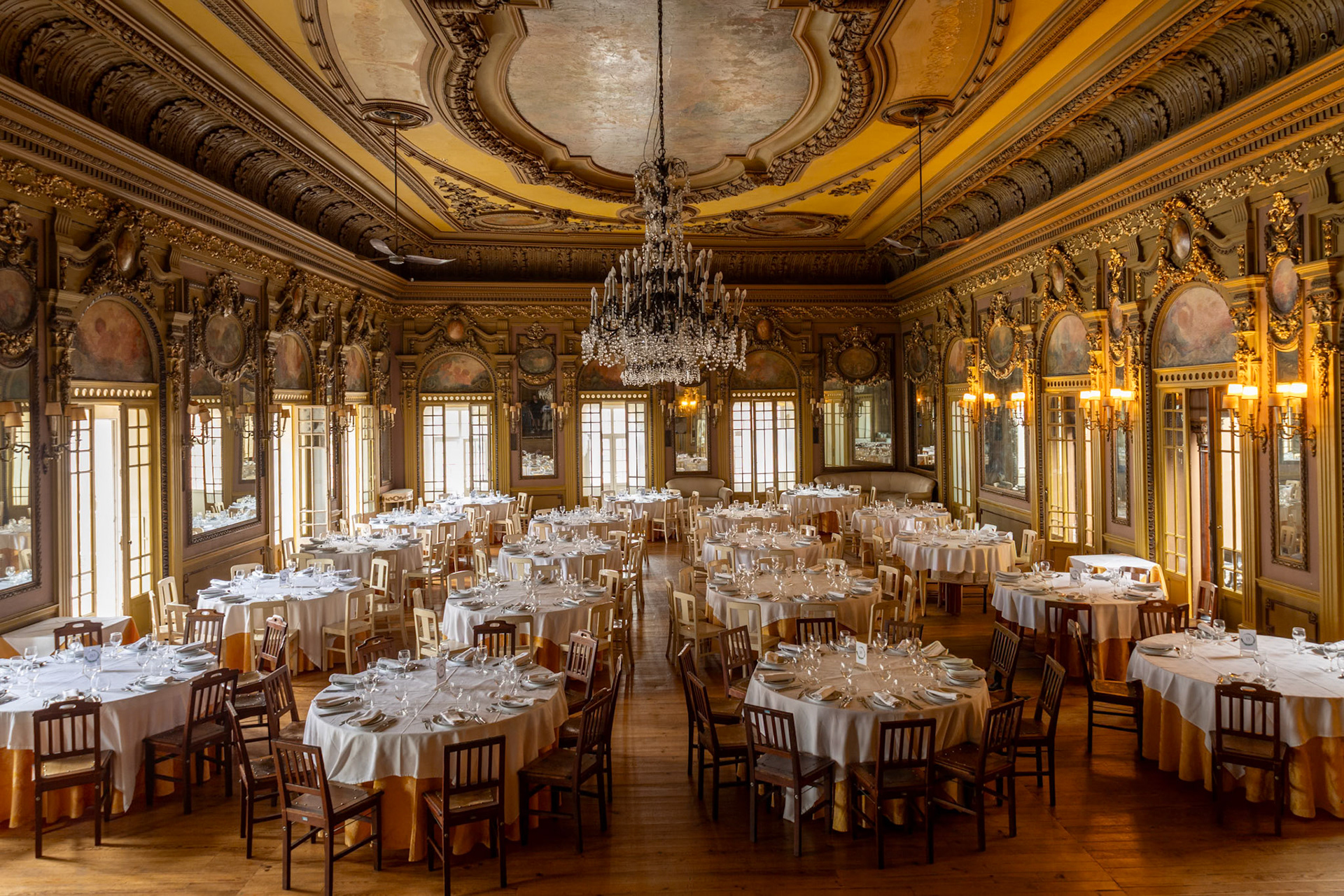
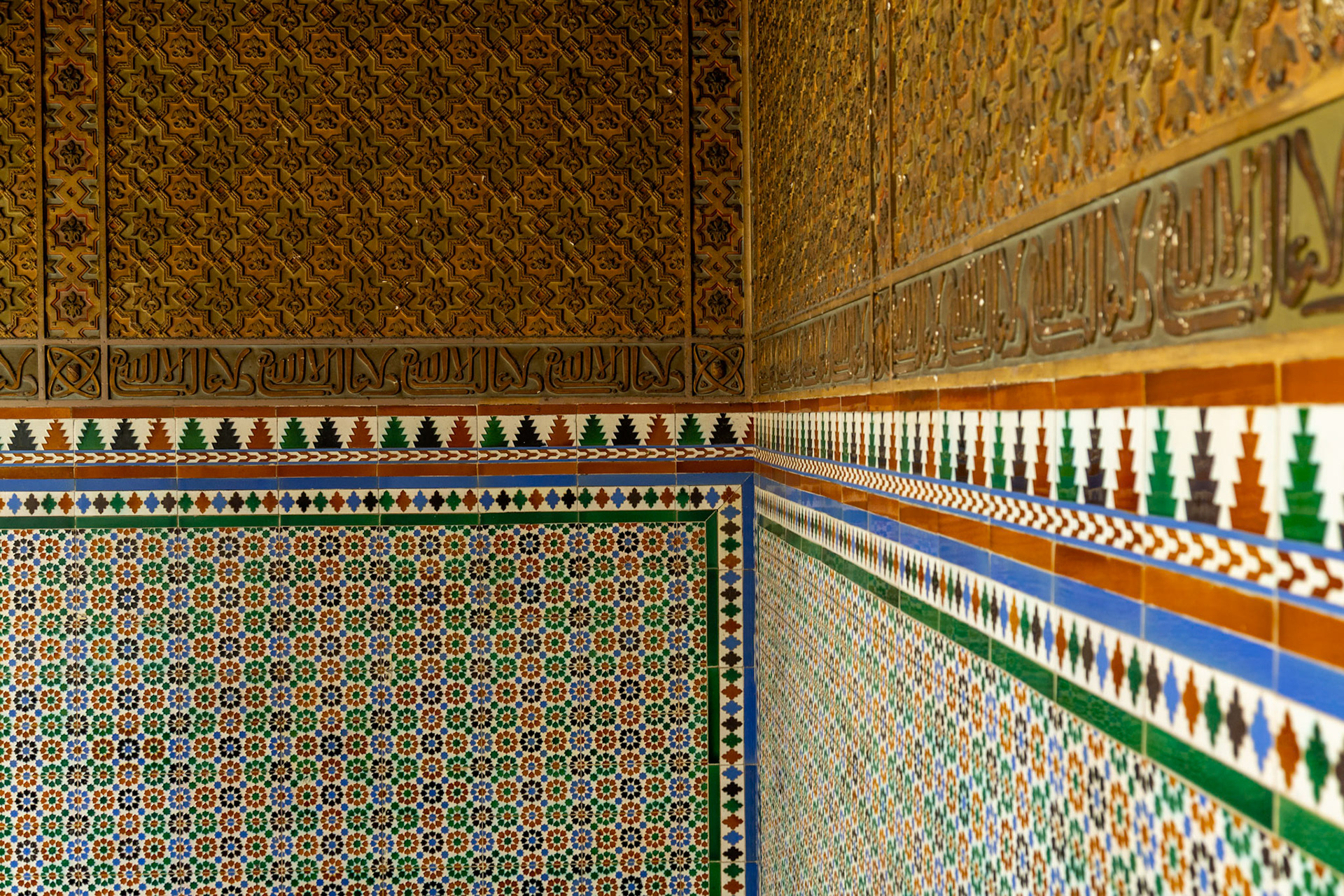
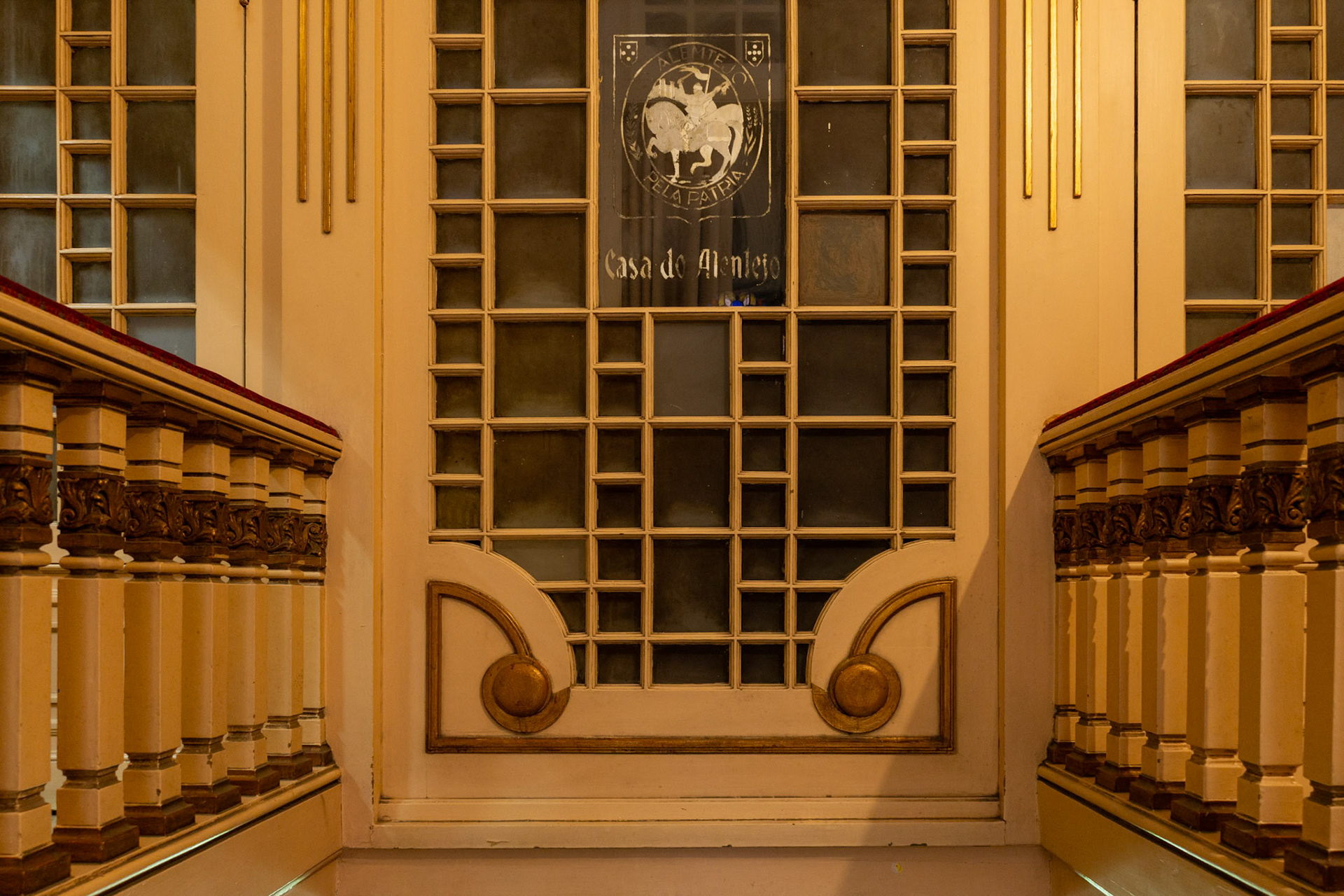
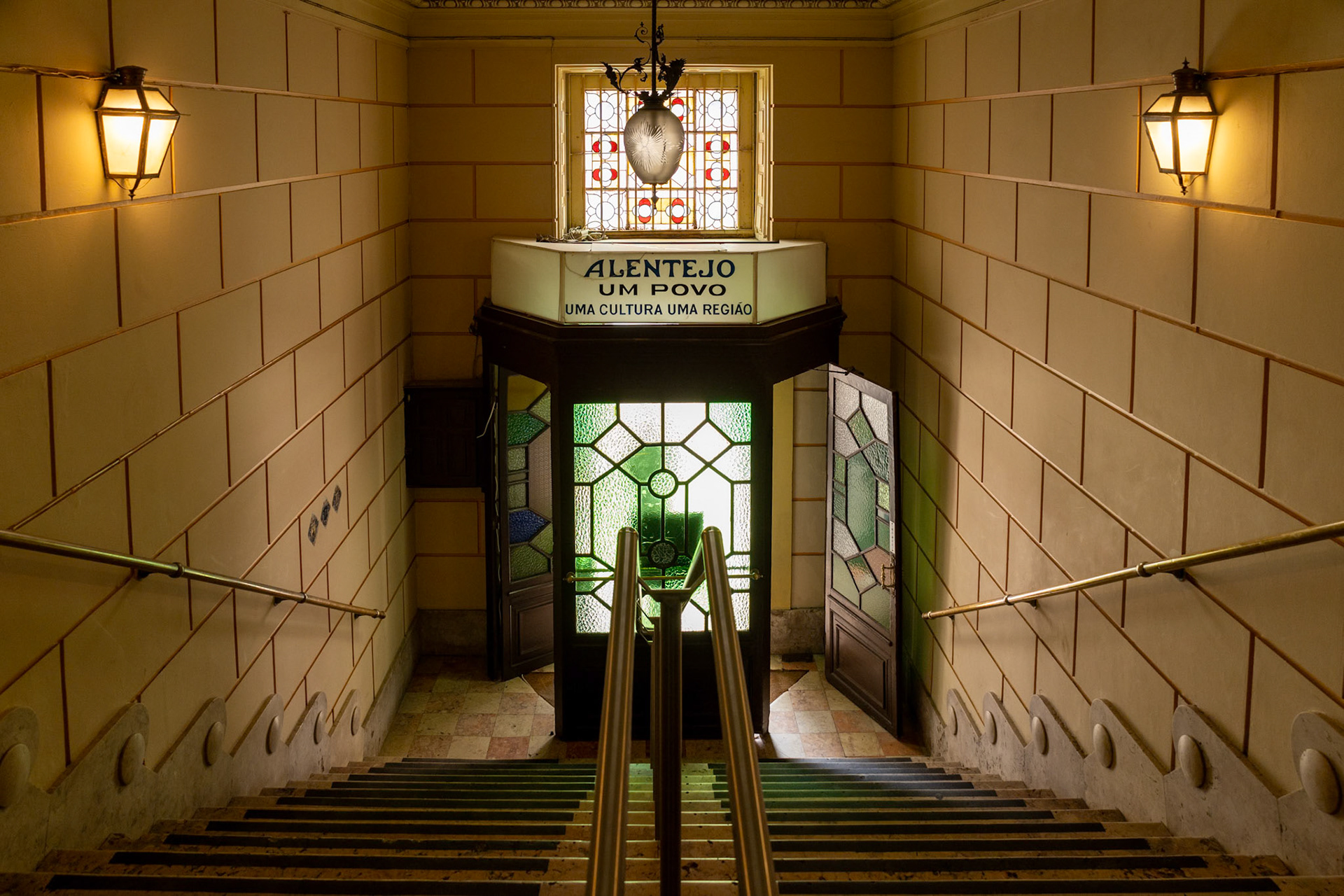
Entre 1917 e 1919, o espaço foi alugado a uma empresa que ali instalou o primeiro casino da capital, o Magestic Club, e é dessa época que vem o esplendor decorativo que hoje se admira: as obras de adaptação, dirigidas pelo arquitecto Silva Júnior, transformaram o palácio no edifício deslumbrante que chegou até aos nossos dias, com destaque para o famoso Salão dos Espelhos.
Desde 1932 o palácio é sede da Casa do Alentejo, e em 1981 foi finalmente adquirido pela associação, tornando-se património de todos os alentejanos.
Casa do Alentejo occupies a building possibly constructed in the late 17th century, which originally belonged to an aristocratic family, the Paes de Amaral (Viscounts of Alverca).
Between 1917 and 1919, the space was leased to a company that installed the capital's first casino there, the Magestic Club, and it is from that period that the decorative splendor admired today dates: the renovation works, directed by architect Silva Júnior, transformed the palace into the stunning building that has survived to this day, most notably the famous Hall of Mirrors.
Since 1932, the palace has been the headquarters of the Casa do Alentejo, and in 1981 it was finally acquired by the association, becoming heritage belonging to people from Alentejo.